
Latest Past Events

Lecture Series: Paul Aron

S.ABC.301 Prinsstraat 13, Antwerpen

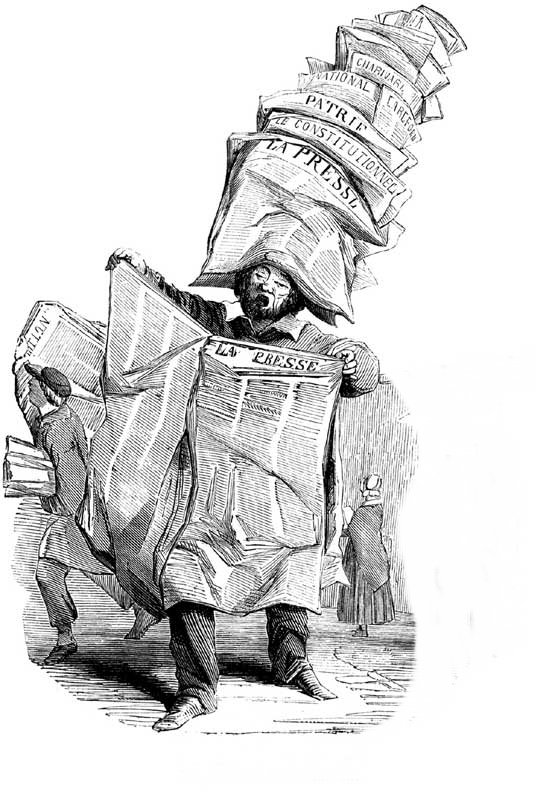
Relire la littérature des années 30 grâce aux humanités numériques: le cas des hebdomadaires d’information et de reportage.

Les années 1930 voient l’émergence des hebdomadaires illustrés par la photographie ou le montage photographique, comme Détective, Vu, ou Regards. Ces organes de presse contribuent à transformer le regard que les contemporains jettent sur le monde. Mais on ne peut toutefois les analyser du seul point de vue de l’actualité journalistique. Ces revues sont aussi animées par des écrivains et elles sont liées aux grandes maisons d’édition. L’exposé tentera donc de lier ce phénomène éditorial avec l’histoire de la littérature française, dans la perspective d’une approche transmédiatique.
Lecture Series: Julie Blake

S.R.213 Rodestraat 14 (via ingang Lange Winkelstraat), Antwerpen

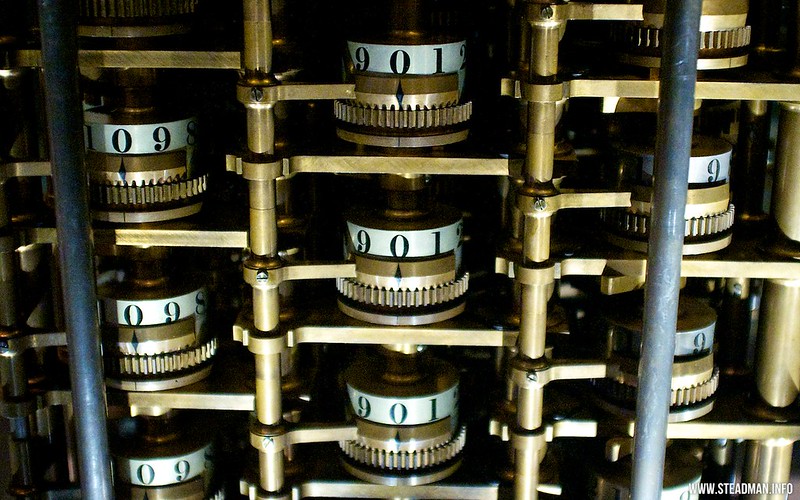
Popular taste and public understanding of literature are shaped by many different life experiences and influences, including what happens in schooling. Dr. Julie Blake’s work is part of a body of research that seeks to understand the history of English literary education through its material artefacts and traces of classroom practice (eg Michael 1987, Rubin 2007 and Robson 2015). This history connects in interesting interdisciplinary ways with the history of literature, the reception history of different authors, the history of mass education, Britain’s colonial past and its postcolonial present. In her talk, Blake will share some of the practicalities and possibilities of building a digital “difference engine” for this research, and will discuss how this kind of approach might be developed and applied in other areas of literary history.

Lecture Series: Mattia Di Gangi

S.R.218 Rodestraat 14 (via ingang Lange Winkelstraat), Antwerpen

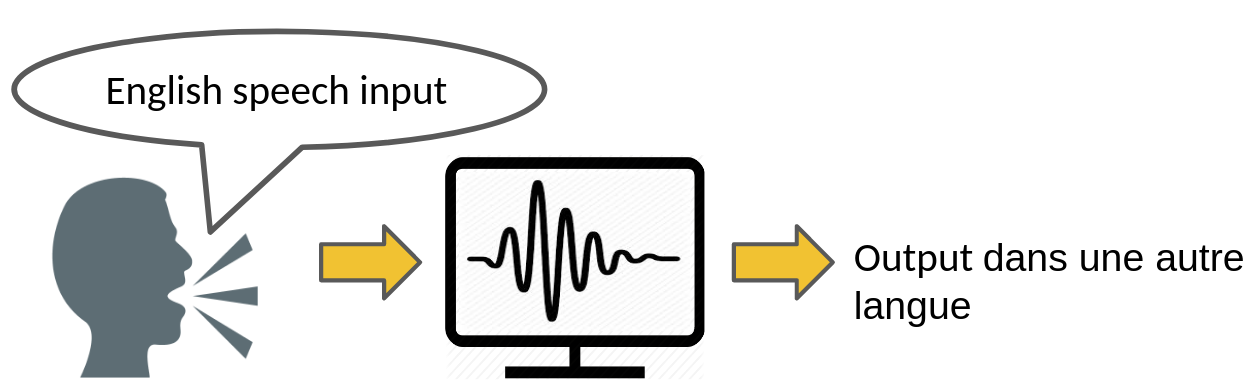
Neural Machine Translation for Text and Speech

In his talk, Mattia Di Gangi will introduce Neural machine translation (NMT). This is an exciting research area that is experiencing fast growth and attracting more and more groups from academia and industry, and some of its fundamental problems are still unsolved. Neural machine translation (NMT) reached such impressive results in the last few years that some industrial players, imprudently, claimed to have reached human parity.