• Lecture Series: Folgert Karsdorp

    S.D.009 Prinsstraat 13, Antwerpen, Antwerpen, Belgium

    From Rapacious Wolfs to Independent Women: Cultural Transmission of Little Red Riding Hood.

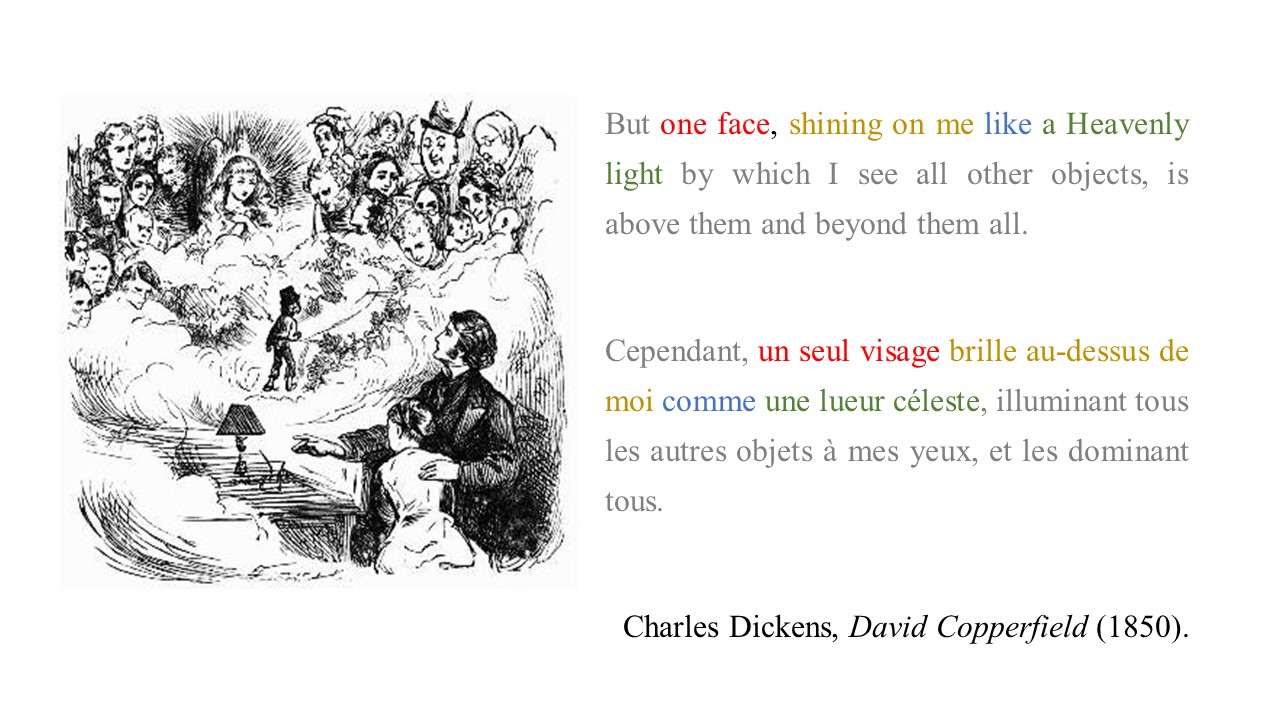
    In his lecture, Folgert Karsdorp presents new perspectives on the structure and development of story networks. A story network, defined as a non-hierarchical agglomeration of pre-textual relationships, represents a stream of retellings in which retellers modify and adapt retellings in a gradual and accumulative way. I investigate the development of the world’s biggest fairy tale icon: Little Red Riding Hood. No story has been retold, reinterpreted, recontextualized and reconfigured as often as the story about the little girl in red who meets a wolf in the forest. On the basis of a large collection of Dutch retellings of the story, I show that the evolution of its story network is largely determined by two random mechanisms of selection: cultural prominence and temporal attractiveness.
  • Lecture Series: Sabine Lenk and Nele Wynants

    S.D.014 Prinsstraat 13, Antwerpen, Antwerpen, Belgium

    A Million Pictures.

    In this double-feature, two researchers present their work on a European project called “A Million Pictures: Magic Lantern Slides Heritage in the Common European History of Learning” – a project that investigates popular visual culture and performativity in the 19th century. Sabine Lenk will go first, presenting her research on ‘Digitizing Magic Lantern Slides: Problems, Challenges, Possibilities’. She will be followed by Nele Wynants, who will present her research on ‘The Legacy of the Lantern. Artistic Reuse of an Old Apparatus’.

  • Lecture Series: Elien Vernackt

    S.R.231 Rodestraat 14 (via ingang Lange Winkelstraat), Antwerpen, Antwerpen, Belgium

    The Magis Bruges Project

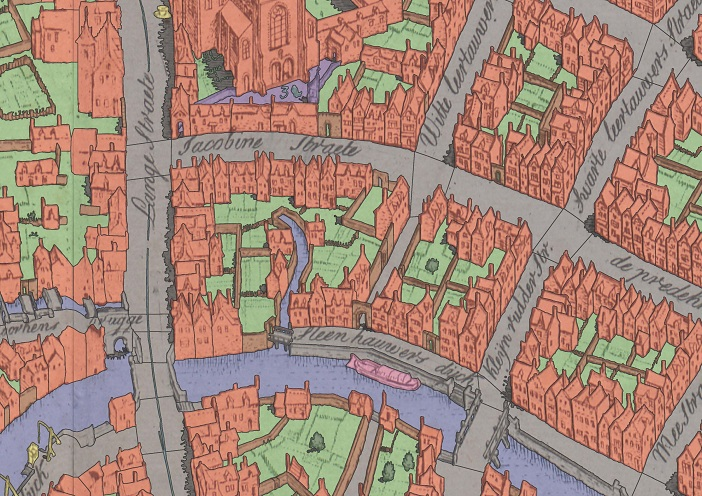
    In her talk, Vernackt will discuss the digitisation of a famous sixteenth-century map of Bruges, the development of a database, and a collaboration between different parties from both the academic and the GLAM sector. The MAGIS Bruges project responds to a variety of research interests and touches upon different issues within and outside the Digital Humanities community.

  • Lecture Series: Greta Franzini

    S.A.202 Prinsstraat 13, Antwerpen, Antwerpen, Belgium

    Text Reuse, Digital Breadcrumbs, and Historical Data.

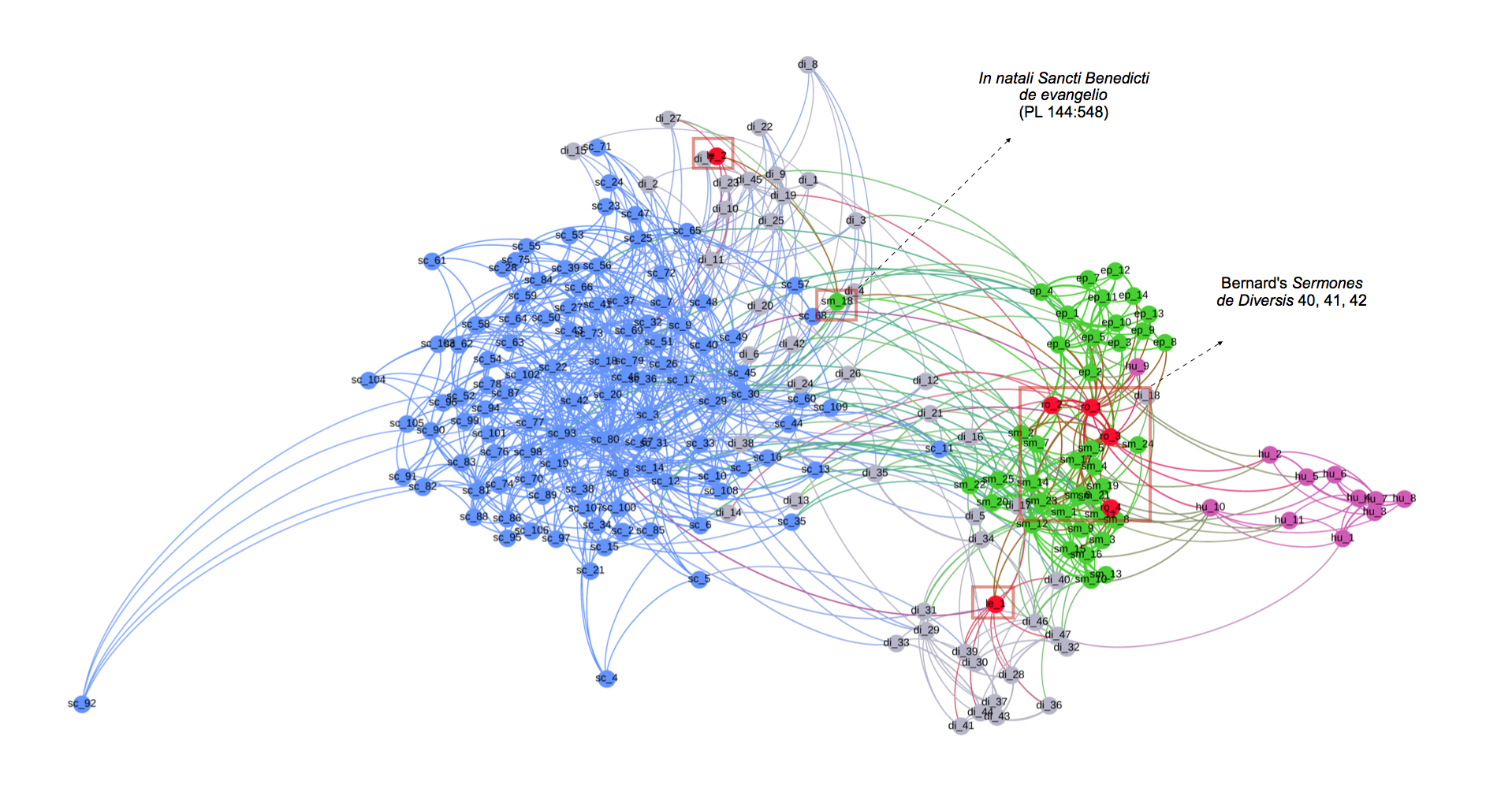
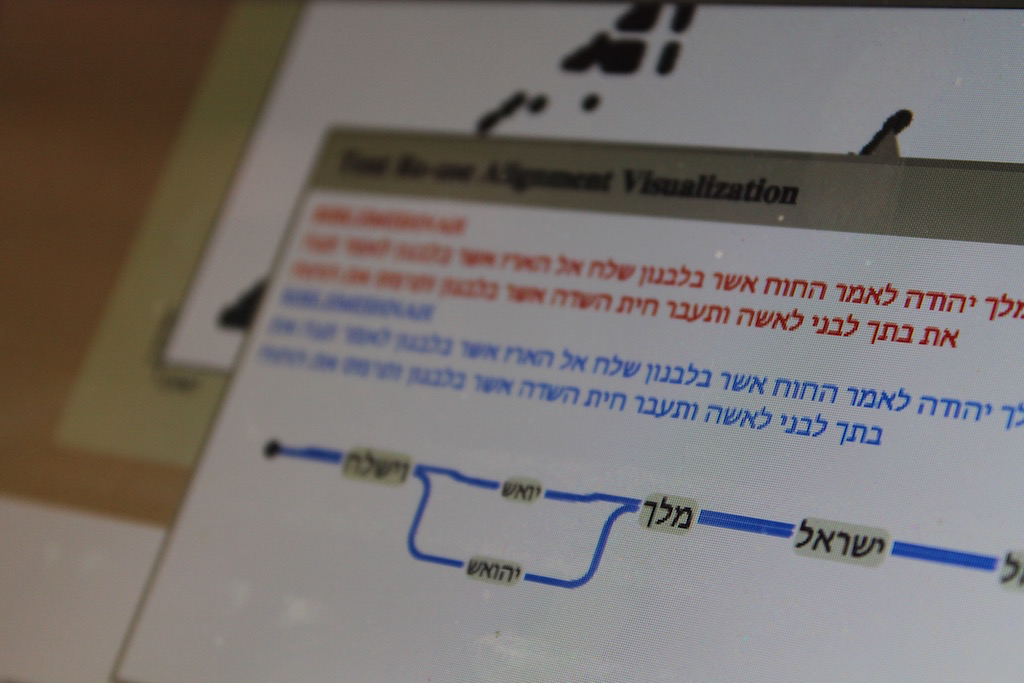
    In her talk, Greta Franzini will discuss the case studies and activities of eTRAP. This project investigates the phenomenon of text reuse in order to advance automatic detection on historical data. Historical texts pose numerous challenges to automatically detect reuse. These challenges are, among others, the fragmentary survival of works, inconsistent referencing, but also the diachronic evolution of language. Unlike modern texts, where sources are consistently quoted and cited, historical texts are not always so transparent, thus opening up exciting opportunities for intertextual research.

  • Lecture Series: Erik Kwakkel

    S.A.206 Prinsstraat 13, Antwerpen, Antwerpen, Belgium

    Something Old, Something New: Medieval Manuscripts and Digital Reserach Methods

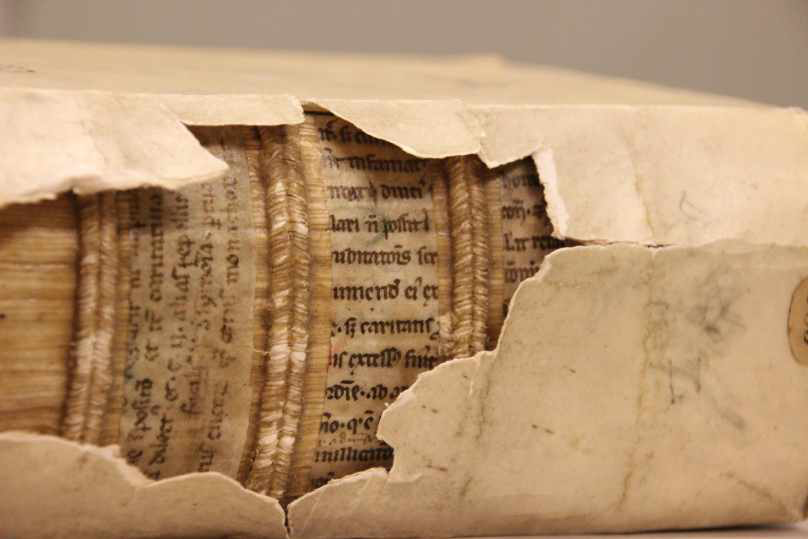
    In this talk, Erik Kwakkel shows how the study of medieval manuscripts can benefit from a digital approach. He presents two case studies: 1) How medieval script is studied in a quantified manner, using modest statistical research; 2) How MA-XRF, an x-ray technique, enables us to look inside early-modern bookbindings, revealing (and reading) medieval fragments that are hiding inside. These two examples will be taken as representatives of two common types of Digital Humanities research: one using digital techniques to do traditional research more efficiently, the other producing results that could not be gained in traditional research.

  • Lecture Series: Wido van Peursen

    S.D.019 Prinsstraat 13, Antwerpen, Antwerpen, Belgium

    A Statistical Approach to Syntactic Variation. The Case of the Hebrew Bible

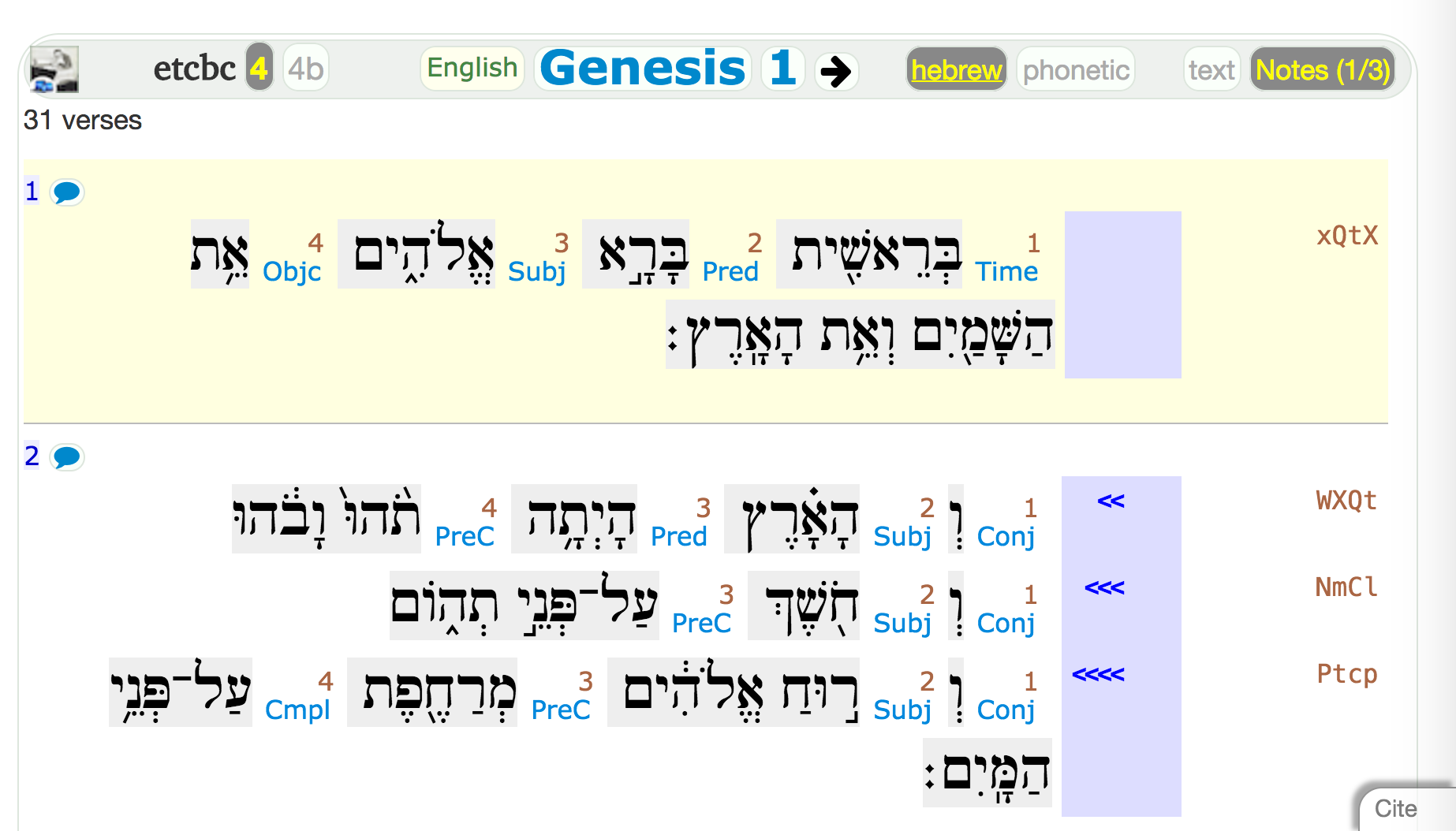
    In his talk, Wido van Peursen shows how combining traditional scholarship with a computational approach permits us to explore linguistic variation in the Hebrew Bible or Old Testament from new perspectives. The Old Testament provides a diverse and most compelling field of study. It has a complex composition history that, according to many scholars, stretches out over a period of more than a millennium. Naturally, this corpus of texts presents a great linguistic diversity. For long, researchers have attempted to understand and explain this diversity in all its facets. The promising results of quantitative methods show once more how Digital Humanities can provide a major contribution to an ongoing discussion; respecting, but also improving an honourable scholarly tradition.

  • Lecture Series: Jeroen De Gussem

    S.R.218 Rodestraat 14 (via ingang Lange Winkelstraat), Antwerpen, Antwerpen, Belgium

    The Exalted Expert vs. The Exact Experiment: Authorship Attribution, Stylometry and Literary Theory.

    In his lecture, Jeroen De Gussem confronts traditional methods of authorship attribution with more recent computational methods for determining the authorship of a text. He addresses a number of practical and theoretical issues. Take a so-called “stylome”, a collection of features in an authors’ personal language use which can be quantified as data and visualized in attractive figures. Can computational formalism (or perhaps computational stylistics) capture “style” by focusing on such a stylome? Where does computational stylistics succeed where traditional stylistics have failed, and vice versa? Are computational stylistics as “objective” (or “unsupervised”) as they purport to be, or do our results only reflect the answers we were hoping to find?

  • Lecture Series: Peter Robinson

    S.B.004 Prinsstraat 13, Antwerpen, België, Belgium

    How to Make Digital Editions of Chaucer and Everyone Else

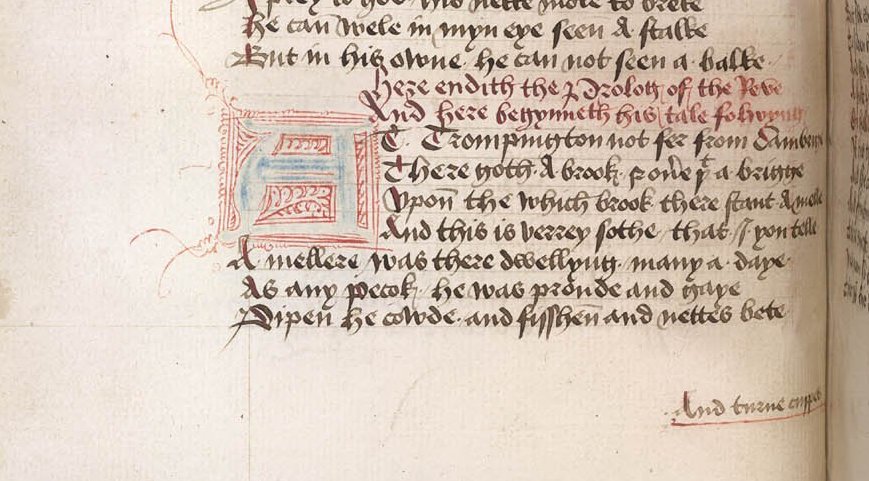
    The explosion of interest in the use of digital tools for making scholarly editions, combined with enthusiasm for crowd-sourcing, has led to a proliferation of on-line tools for the making of scholarly editions. Transcribe Bentham and similar enterprises promise a scholarly heaven. We can imagine a massive cohort of enthusiastic and skilled amateurs transcribing manuscripts which we, the scholarly leaders, can use to make editions after our own dreams. This talk will question this vision: is this practical? do we have, can we have, tools to realize this dream of scholarly editions made by all? Is this even desirable? And what might we have to change in our own practice to make this vision real?

  • Lecture Series: Tom Deneire

    S.R.218 Rodestraat 14 (via ingang Lange Winkelstraat), Antwerpen, Antwerpen, Belgium

    Digital Special Collections: a Rare Book Librarian’s Perspective on Digital Research

    Special collections libraries have by no means missed the digital turn. On the contrary, curating materials that are mostly copyright free and dealing with reproduction reqeusts on an almost daily basis, special collections libraries are excellent partners for digitization projects and digital research. Conversely, this implies that digital scholarship on rare books, manuscripts, maps and prints has a lot to gain from the librarian’s perspective. Understanding how physical objects are digitized, how different items are catalogued, and how to extract data and metadata from library systems offers clear heuristic and methodological gains for digital research. This presentation will discuss such a librarian’s perspective starting from the Special Collections of the University of Antwerp Library. It will explain the library’s digitization process and digital platform, analyze its metadata structure and export formats, and finally offer some research suggestions for data mining and other digital scholarship.

  • Lecture Series: Suzanne Mpouli

    S.R.218 Rodestraat 14 (via ingang Lange Winkelstraat), Antwerpen, Antwerpen, Belgium

    Computing Similes in French and English Literary Texts

    Similes such as “Float like a butterfly, sting like a bee” abound in everyday language and are generally said to be particularly creative as well as stylistically relevant in literary texts.  In her talk, Suzanne will discuss the specificities and challenges related to the automatic detection of similes for literary purposes. To illustrate the interest of this task, she will present as case study the use of colour similes in a corpus of French and British novels published between 1810 and 1950.