• Lecture Series: Fotis Jannidis

    Hof van Liere Prinsstraat 13, Antwerpen, Belgium

    Literature as a Commodity – Distant Reading Pulp Fiction

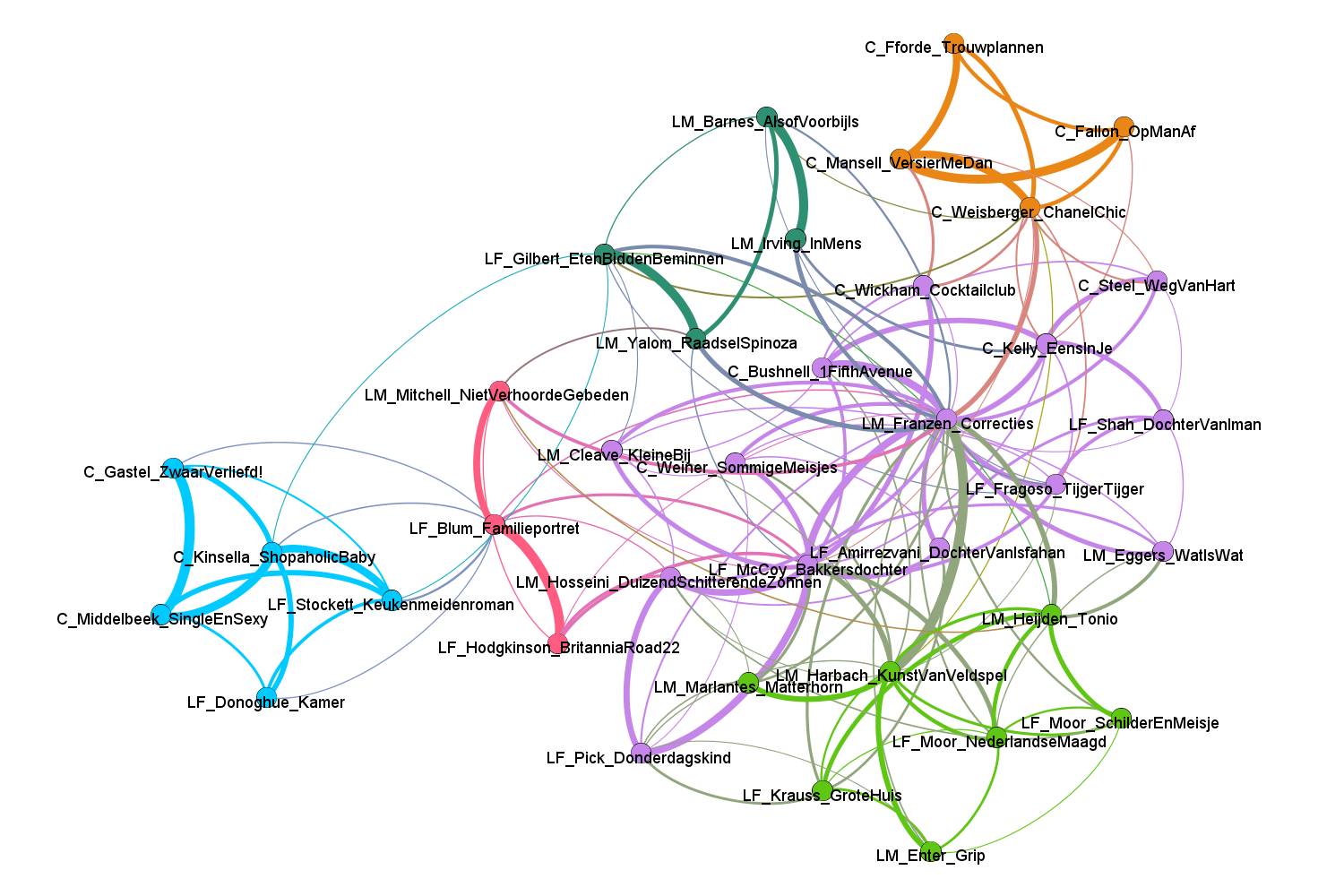
    There is a field of popular fiction which doesn’t attract the attention of literary scholars very often: dime novels, sometimes also called pulp fiction because of the bad quality of the paper. Millions of them are printed every year but they don’t appear in any bestseller list, because they don’t belong to the usual system of literary communication. Research on dime novels perceived them quite long as part of the cheap escapist entertainment industry, targeting especially the lower classes, while in recent years the complexity of some of the series and of the communication of fans about their dime novels has been highlighted in contrast. The talk will look at 14.000 dime novels published in recent years and explore genres, topics and the complexity of the texts in an attempt to reevaluate some of these research positions.
  • Lecture Series: Sarah Fierens

    S.R.218 Rodestraat 14 (via ingang Lange Winkelstraat), Antwerpen, Antwerpen, Belgium

    Lof der Digitale Letteren

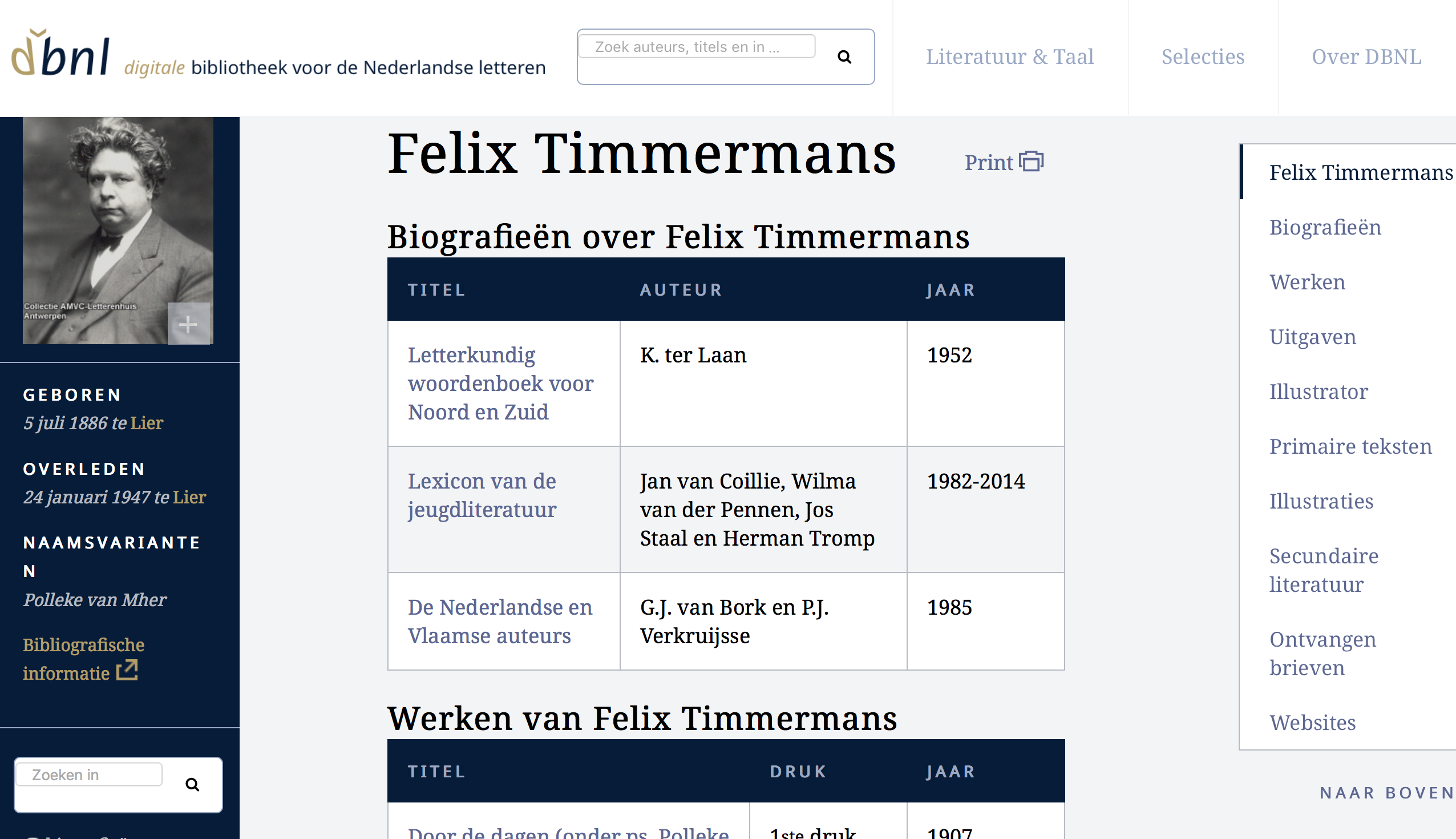
    De Digitale Bibliotheek voor de Nederlandse Letteren (DBNL) is een digitale collectie van teksten die beho­ren tot de Nederlandse letterkunde, taalkunde en cultuurgeschiedenis van de vroegste tijd tot heden. Deze infosessie bespreekt de recente geschiedenis en de toekomst van de DBNL. Er zal worden ingegaan op de selectie van de teksten, het productieproces, en de mogelijkheden van hergebruik van data.

  • Lecture Series: Corina Koolen

    S.A.107 Prinsstraat 13, Antwerpen, België, Belgium

    Gender and the Riddle of Literary Quality

    We as readers like to think that we don’t have bias, that we can judge books quite objectively. However, when The Riddle of Literary Quality project did a large survey in the world of people who read Dutch-language books, some subtle (and less subtle) gender biases came to light. In this talk, Koolen explains what the team found and the dozen ways she tried to tease out the cause of this bias.

  • Lecture Series: Franc Schuerewegen

    S.R.218 Rodestraat 14 (via ingang Lange Winkelstraat), Antwerpen, Antwerpen, Belgium

    Franco Moretti vs Michel Charles ou les paradoxes de la distance

    Je m’intéresserai au procédé baptisé ’opérationnalisation’ que Franco Moretti décrit dans sa contribution à La Littérature au laboratoire (trad. fr. Ithaque Editions, 2016). Les ordinateurs tournent à plein régime. Graphes, cartes et arbres sont soigneusement produits. On est en pleine distant reading. Rien à voir, dira-t-on, avec ce qui occupe un Michel Charles, champion de la microlecture ‘à la française’, close reader compulsif et fier de l’être. Et pourtant, et comme on va voir, il s’agit là peut-être d’un faux antagonisme. Intéressons-nous, pour parler comme Proust, au ‘côté Moretti’ de Michel Charles, démarche qui revient à apercevoir symétriquement un ‘côté Michel Charles’ chez Franco Moretti. Bref, nous allons, au pays des humanités numériques, mettre les choses sens dessus dessous, pour une meilleure hygiène intellectuelle.

  • Lecture Series: Mats Dahlström

    S.R.218 Rodestraat 14 (via ingang Lange Winkelstraat), Antwerpen, Antwerpen, Belgium

    What We See on the Screen

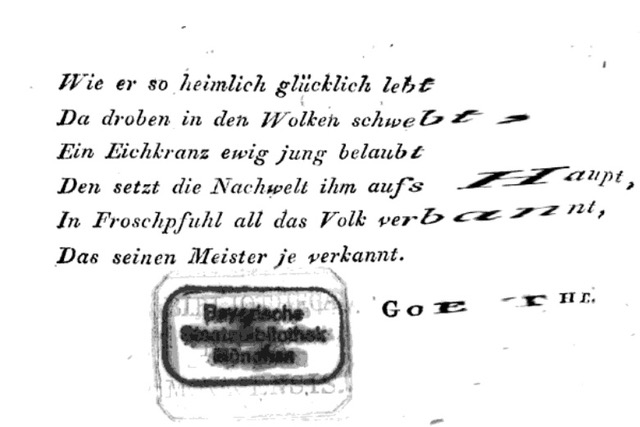
    However you define digital humanities (DH), it often revolves around digitized objects at libraries and archives. In particular, such digital reproductions are used within digital scholarly editions. There, the digital facsimiles are not only illustrations supporting a scholarly text transcription, but can also serve as research tools and instruments for accountability and accessibility. Nevertheless, the “critical gaze” of scholarly editors and DH is directed at text transcriptions, whereas digital facsimiles are often uncritically taken at face value. In this talk, I will address some of the critical considerations libraries face when digitizing their holdings, with significant bearing on the value and (re)usability of the digital reproductions when placed within a scholarly context.

  • About automatic writing and autocomplete: the poetics of technology

    Passa Porta Antoine Dansaertstraat 46, Brussels, Brussels, Belgium

    Writing and reading are no longer the exclusive right of the paper. For most authors, their practice is intimately intertwined with software and a networked infrastructure. What does it mean to consciously include this technological context in the literary creation process? How does the use of code – active or passive – change the notion of literature? What happens to the status of the author? And the role of the reader? On Thursday 25 April, Passa Porta organises an evening of debates on these topics, starting with a lecture by Allison Parrish, and continuing with a debate by Zaineb Hamdi and Cecilia Verheyden. The event was sponsored by DHu.F.

  • Lecture Series: Huw Jones

    S.E.207 Grote Kauwenberg 2, Antwerpen, Belgium

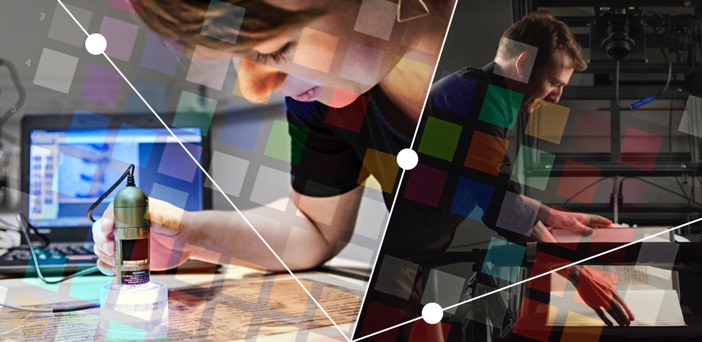
    Cambridge Digital Library has been supporting content-driven Digital Humanities projects since the online launch of the Isaac Newton papers in 2011, covering everything from 3,000 year-old Oracle Bones to aerial photography from the 1940s. This talk will explore some of the developments during this period – imaging as an investigative research activity, digital resources as datasets, the formalisation of digital humanities in Cambridge, and the growing emphasis on collaboration in the field as a whole. In this context, the speaker will focus on IIIF as an open and collaborative technology which is having a huge impact not just on the technical possibilities for the sharing and analysis of image data, but also on the culture of digital humanities.

    Free
  • Lecture Series: Magdalena Turska

    S.E.207 Grote Kauwenberg 2, Antwerpen, Belgium

    What does it take to publish an edition?

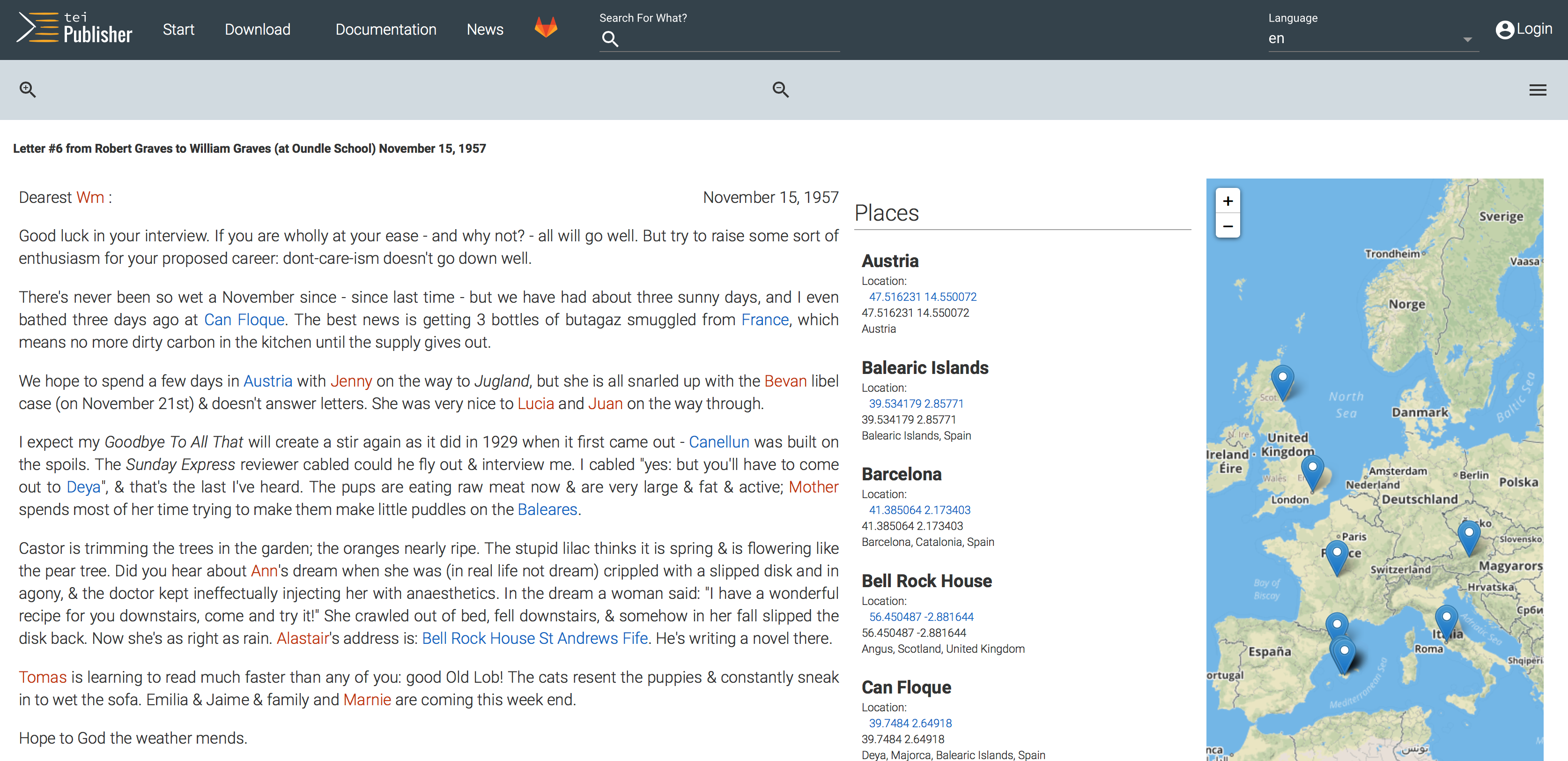
    What this talk is not, is a lesson in textual scholarship. What it aims to be instead, is a rough guide to the complicated interweave of standards, technologies and logistical issues behind the publishing process, and some advice on how to navigate this maze. We’ll then try to follow a chain of serendipitous events which eventually led to a proposal for an editors-first, standards-always and community-foremost tool that was brought to life in the new version 5 of the TEI Publisher. I will talk about some projects that were our inspirations, guinea pigs, challenges and benefactors (usually all at once) and hope to discuss the future of editions with you!

  • Lecture Series: Mattia Di Gangi

    S.R.218 Rodestraat 14 (via ingang Lange Winkelstraat), Antwerpen, Antwerpen, Belgium

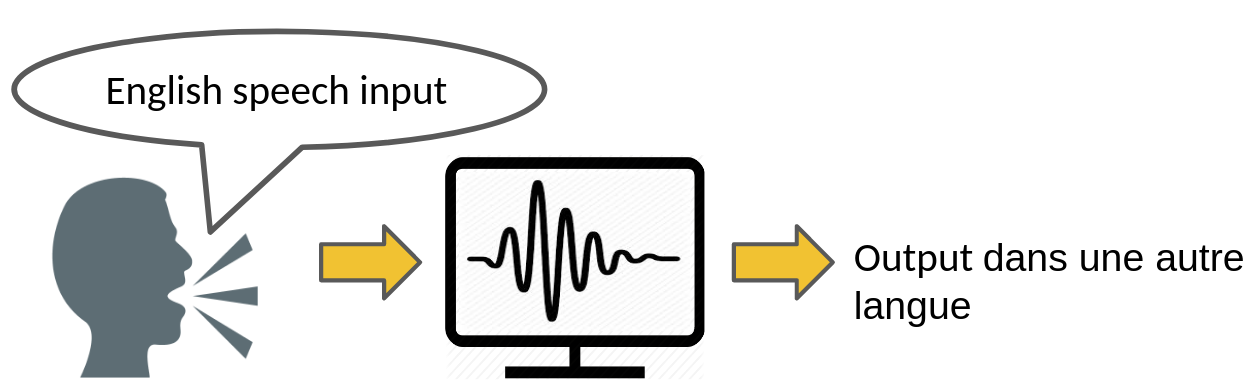
    Neural Machine Translation for Text and Speech

    In his talk, Mattia Di Gangi will introduce Neural machine translation (NMT). This is an exciting research area that is experiencing fast growth and attracting more and more groups from academia and industry, and some of its fundamental problems are still unsolved. Neural machine translation (NMT) reached such impressive results in the last few years that some industrial players, imprudently, claimed to have reached human parity.

  • Lecture Series: Julie Blake

    S.R.213 Rodestraat 14 (via ingang Lange Winkelstraat), Antwerpen, Antwerpen, Belgium

    Popular taste and public understanding of literature are shaped by many different life experiences and influences, including what happens in schooling. Dr. Julie Blake’s work is part of a body of research that seeks to understand the history of English literary education through its material artefacts and traces of classroom practice (eg Michael 1987, Rubin 2007 and Robson 2015). This history connects in interesting interdisciplinary ways with the history of literature, the reception history of different authors, the history of mass education, Britain’s colonial past and its postcolonial present. In her talk, Blake will share some of the practicalities and possibilities of building a digital “difference engine” for this research, and will discuss how this kind of approach might be developed and applied in other areas of literary history.